
Introduction: From Traditional Marketing to the Digital Age
In the past century, marketing revolved around traditional methods like print ads, billboards, radio, and TV commercials. Brands relied heavily on catchy jingles, eye-catching visuals, and the persuasive power of word-of-mouth to reach their audience. These methods were effective in their time, but they had limitations. For example, businesses couldn’t easily measure how many people saw their ads or gauge the return on their investment accurately.
The introduction of the internet in the late 20th century brought a seismic shift in how businesses communicate with their customers. Digital marketing, the practice of promoting products and services through online channels, has revolutionized advertising. Unlike traditional methods, digital marketing is faster, more cost-effective, and offers tools to analyze and refine campaigns in real time. This modern approach allows brands to connect directly with their audience, creating personalized experiences that were unimaginable in the past.

What is Digital Marketing?
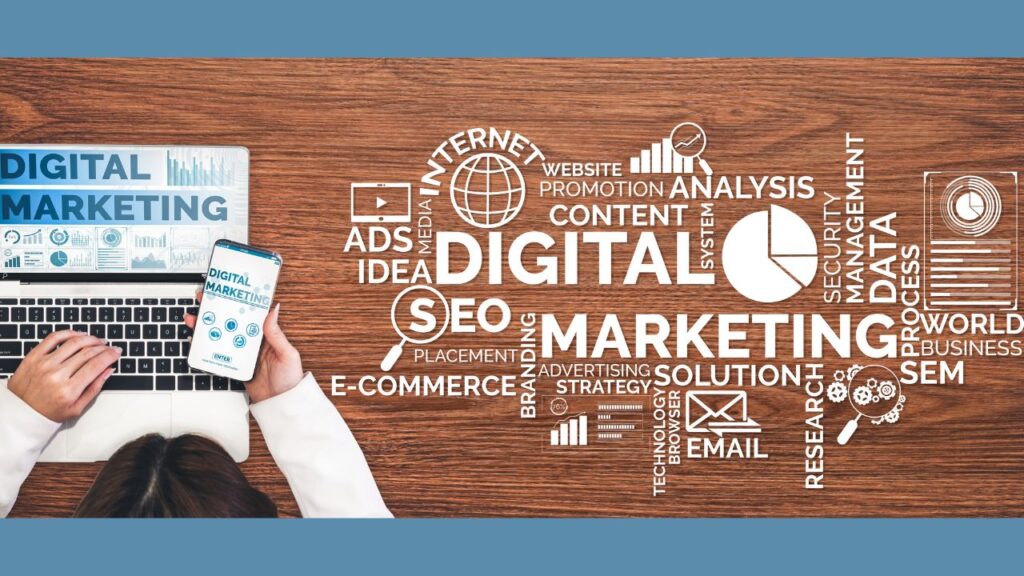
Digital marketing refers to any form of marketing that uses digital channels to promote products or services. These channels include websites, search engines, social media platforms, email, and mobile apps. Essentially, digital marketing is about meeting customers where they spend most of their time—in the online world.
At its core, digital marketing involves strategies like search engine optimization (SEO), content marketing, email campaigns, pay-per-click (PPC) advertising, and social media marketing. These methods work together to help businesses increase their online visibility, drive traffic to their websites, and convert visitors into loyal customers.
The Benefits of Digital Marketing
- Global Reach: Unlike traditional advertising, digital marketing breaks geographical boundaries. A small business in a rural town can reach customers across the globe with just a few clicks.
- Cost Efficiency: Digital marketing is significantly more affordable than TV or print advertising, making it accessible for businesses of all sizes.
- Measurable Results: Tools like Google Analytics provide insights into how well your campaigns are performing, from the number of clicks to conversion rates.
- Personalization: Digital platforms allow businesses to create tailored experiences for users, increasing engagement and customer satisfaction.
- Real-Time Interaction: Social media and live chat options make it easy for businesses to connect with their audience instantly.
How Digital Marketing Changed Advertising
Before digital marketing, advertisers had limited ways to understand their audience. Surveys and focus groups were time-consuming and expensive. Today, tools like Facebook Insights or Google Analytics give businesses immediate feedback about their audience’s preferences, behaviors, and interactions.
Digital marketing has also introduced a two-way communication model. In traditional advertising, messages were broadcast to a passive audience. Now, platforms like Instagram and Twitter allow customers to engage with brands through comments, likes, and shares. This dialogue builds trust and strengthens relationships between businesses and their customers.

The Key Components of Digital Marketing
1. Search Engine Optimization (SEO)
SEO involves optimizing a website to rank higher in search engine results, making it easier for potential customers to find your business. For instance, if someone searches for “best coffee shop in New York,” SEO ensures your coffee shop appears on the first page.
2. Content Marketing
Content is king in the digital age. Blogs, videos, infographics, and social media posts educate and entertain audiences while promoting your brand. High-quality content builds trust and establishes your business as an authority in your industry.
3. Social Media Marketing
Platforms like Facebook, Instagram, LinkedIn, and TikTok are powerful tools for reaching a diverse audience. Social media marketing includes creating and sharing content, running ads, and engaging with followers to grow your brand presence.
4. Email Marketing
Email marketing remains one of the most effective digital strategies. It allows businesses to send personalized messages directly to their audience, whether it’s a promotional offer, a newsletter, or updates about new products.
5. Pay-Per-Click Advertising (PPC)
PPC ads appear on search engines, social media, and websites. Businesses only pay when someone clicks on their ad, making it a cost-effective way to drive traffic and generate leads.
6. Influencer Marketing
Collaborating with influencers—individuals with a strong online following—can help businesses reach niche audiences. Influencers lend credibility to brands and encourage their followers to try new products.

Tips for Beginners
If you’re new to digital marketing, start small. Here are some tips to get you going:
- Understand Your Audience: Research who your customers are, what they need, and where they spend their time online.
- Set Clear Goals: Whether it’s increasing website traffic or boosting sales, define what you want to achieve with your marketing efforts.
- Choose the Right Channels: Focus on platforms that align with your audience and business objectives. For example, Instagram works well for visual content, while LinkedIn is ideal for B2B marketing.
- Invest in Analytics: Use tools to track the performance of your campaigns. Data insights will help you refine your strategies for better results.
- Stay Consistent: Consistency is key in building an online presence. Regularly post high-quality content and engage with your audience.
Challenges in Digital Marketing
While digital marketing offers numerous benefits, it also comes with challenges. The online space is highly competitive, requiring businesses to constantly innovate and adapt. Algorithms on social media and search engines change frequently, making it essential to stay updated. Additionally, managing multiple platforms can be time-consuming and may require professional expertise.
The Future of Digital Marketing
Digital marketing is an ever-evolving field. Emerging technologies like artificial intelligence (AI), virtual reality (VR), and augmented reality (AR) are shaping the future of advertising. These tools allow for even more personalized and immersive customer experiences.
Moreover, trends like voice search and shoppable social media posts are changing how businesses interact with consumers. Staying ahead of these trends will be crucial for success in the digital marketing landscape.
Conclusion
Digital marketing has revolutionized how businesses promote themselves. From SEO to social media, these strategies offer unparalleled opportunities to connect with audiences, grow brands, and drive sales. For beginners, the key is to start small, stay consistent, and continuously learn.
Whether you’re running a small business or managing a large corporation, digital marketing is an essential tool in today’s connected world. Embrace it, and watch your business thrive in ways that were unimaginable just a few decades ago.