
Introduction: The Evolution of Marketing
Marketing has always been about connecting with your audience at the right place and time. Decades ago, this meant relying on mediums like newspapers, radio, and television. Brands used billboards and print ads to reach audiences, while door-to-door sales and flyers spread the word locally. However, the digital revolution has transformed how businesses interact with consumers.
Today, we live in an age where most people spend hours daily online—scrolling through social media, reading emails, browsing websites, and searching on Google. This shift has paved the way for digital marketing, a dynamic and ever-evolving approach to connecting with audiences where they spend most of their time: the internet.
What is Digital Marketing?
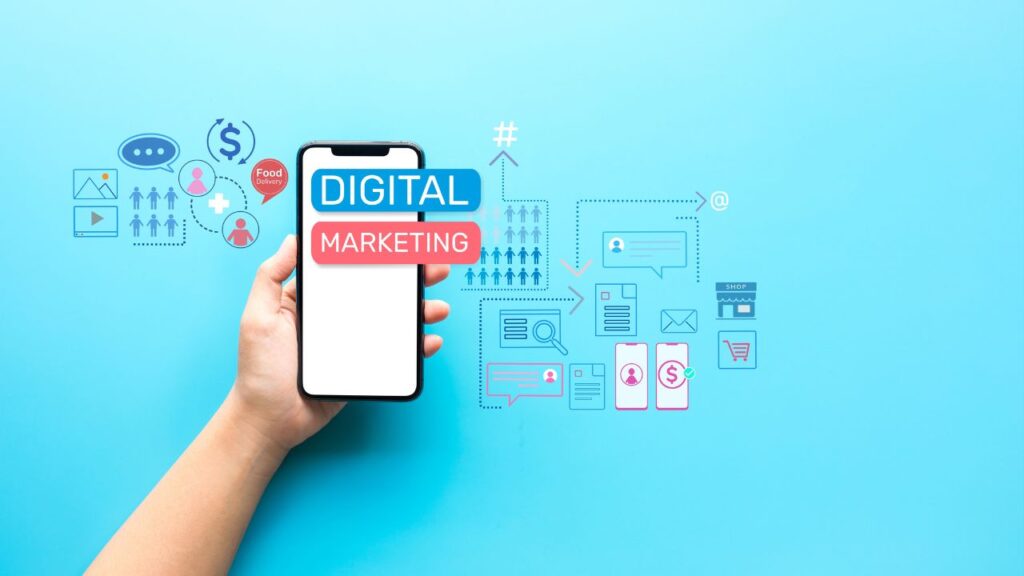
Digital marketing encompasses all marketing efforts that leverage the internet and digital devices. Unlike traditional marketing, digital marketing focuses on using online platforms to communicate, promote, and sell products or services.
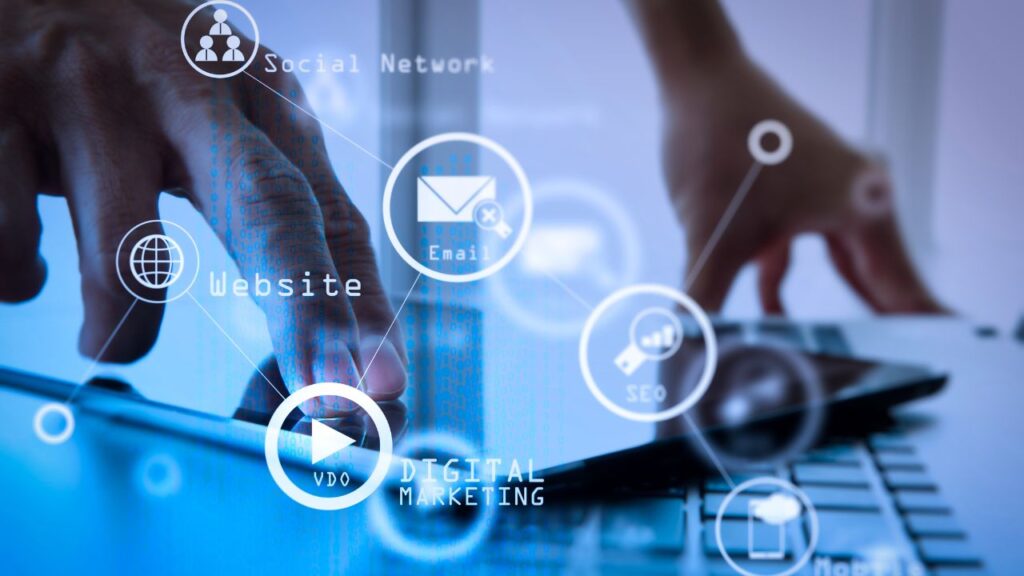
This broad field includes various strategies and channels:
- Search Engine Optimization (SEO): Optimizing websites to rank higher on search engines.
- Content Marketing: Creating valuable content to engage and inform audiences.
- Social Media Marketing: Building brand awareness and interaction on platforms like Facebook, Instagram, and TikTok.
- Email Marketing: Reaching potential and existing customers directly via email.
- Pay-Per-Click (PPC) Advertising: Running ads where advertisers pay for each click.
- Affiliate Marketing: Partnering with influencers or affiliates to promote products.
These techniques collectively enable businesses to engage audiences, increase visibility, and drive conversions efficiently and measurably.
Why Digital Marketing Matters
Digital marketing has become an indispensable tool for businesses of all sizes and industries. Here’s why:
- Cost-Effectiveness: Compared to traditional marketing channels like television ads or billboards, digital marketing is often more affordable and accessible for small and medium businesses.
- Measurable Results: Digital marketing tools allow businesses to track and measure the effectiveness of campaigns in real time. Metrics like website traffic, click-through rates, and conversions give precise insights.
- Global Reach: With digital marketing, even small businesses can reach audiences worldwide, leveling the playing field with larger companies.

Key Components of Digital Marketing
1. Search Engine Optimization (SEO)
SEO focuses on improving a website’s visibility in search engine results. By optimizing content, using relevant keywords, and improving site performance, businesses can attract more organic traffic.
For example, when potential customers search for “best coffee shop near me,” SEO ensures that a coffee shop appears at the top of search results.
2. Content Marketing
Content is the heart of digital marketing. Blogs, videos, infographics, and podcasts provide value to audiences while subtly promoting a brand’s message. For instance, a fitness brand might post articles like “5 Beginner-Friendly Workouts” to engage its target audience.
3. Social Media Marketing
Platforms like Facebook, Instagram, and LinkedIn are perfect for building communities and fostering customer relationships. Social media allows brands to showcase their personality, interact with audiences, and run targeted ad campaigns.
4. Pay-Per-Click Advertising (PPC)
PPC campaigns, such as Google Ads or Facebook Ads, place businesses directly in front of potential customers. Businesses only pay when users click on their ads, making PPC an efficient way to drive traffic quickly.
5. Email Marketing
Emails remain a powerful tool for building loyalty and encouraging repeat purchases. Personalized email campaigns tailored to customers’ preferences often yield impressive results.
Why Your Business Needs Digital Marketing
1. Increased Visibility
Most consumers today begin their buying journey online, researching products and services before making a decision. If your business isn’t visible online, you miss out on a massive audience actively seeking your offerings.
2. Better Targeting
Digital marketing allows businesses to target specific demographics, interests, and locations. Tools like Facebook Ads Manager and Google Ads let you refine your audience, ensuring your message reaches those most likely to convert.
3. Real-Time Engagement
Unlike traditional marketing, digital channels allow for real-time interaction with customers. Social media platforms let you respond to comments, answer queries, and foster relationships instantly.
4. Data-Driven Decisions
Digital marketing tools provide data that helps businesses understand customer behavior. This insight enables continuous improvement, ensuring campaigns evolve with audience preferences.
5. Competitive Edge
In today’s competitive landscape, businesses without a strong digital presence risk being overshadowed by competitors who leverage digital marketing strategies effectively.
Examples of Digital Marketing Success
1. Small Business Growth:
A local bakery with limited resources can use Instagram to showcase its freshly baked goods, interact with the community, and offer exclusive discounts. Through social media marketing, they can grow their loyal customer base and drive foot traffic.
2. E-Commerce Boom:
E-commerce giants like Amazon thrive on PPC campaigns, SEO, and email marketing to consistently stay ahead of the competition. Their ability to target audiences and provide personalized recommendations sets the standard.
The Future of Digital Marketing
Emerging Technologies
Technological advancements like artificial intelligence (AI), augmented reality (AR), and voice search are reshaping the landscape of digital marketing. AI-powered chatbots provide instant customer support, while AR allows customers to “try” products virtually before purchasing.
Personalization
Consumers increasingly expect tailored experiences. Brands that leverage data analytics to deliver personalized recommendations, content, and ads will continue to thrive.
Sustainability and Purpose-Driven Marketing
As consumers become more environmentally conscious, brands that showcase their commitment to sustainability and social responsibility will build stronger connections.
Conclusion: Embrace the Digital Age
Digital marketing is no longer optional—it’s a necessity. Whether you’re a startup, a small business, or a global corporation, digital marketing enables you to connect with your audience, drive growth, and achieve your business goals.
The good news? It’s never too late to start. By leveraging the right strategies and tools, any business can carve its path to success in the digital age. Embrace the opportunities, stay ahead of trends, and watch your brand thrive.