

Introduction: The Importance of SEO in Today’s Digital World
Search Engine Optimization (SEO) is a cornerstone of digital marketing, playing a pivotal role in driving traffic, increasing visibility, and ensuring online success for businesses and brands. In an era where the internet is the primary source of information, SEO helps bridge the gap between your content and the audience searching for it. Whether you’re running a small local business or managing a global e-commerce site, understanding and leveraging SEO can dramatically impact your growth.
This article will break down what SEO is, how it works, and why it’s essential for your online strategy. By the end, you’ll have a clear understanding of how to use SEO to attract, engage, and convert your audience.

What is SEO?
At its core, Search Engine Optimization (SEO) is the process of optimizing your website and its content to rank higher on search engine results pages (SERPs). The goal is simple: to make it easier for search engines like Google, Bing, or Yahoo to understand your content and show it to users searching for relevant information.
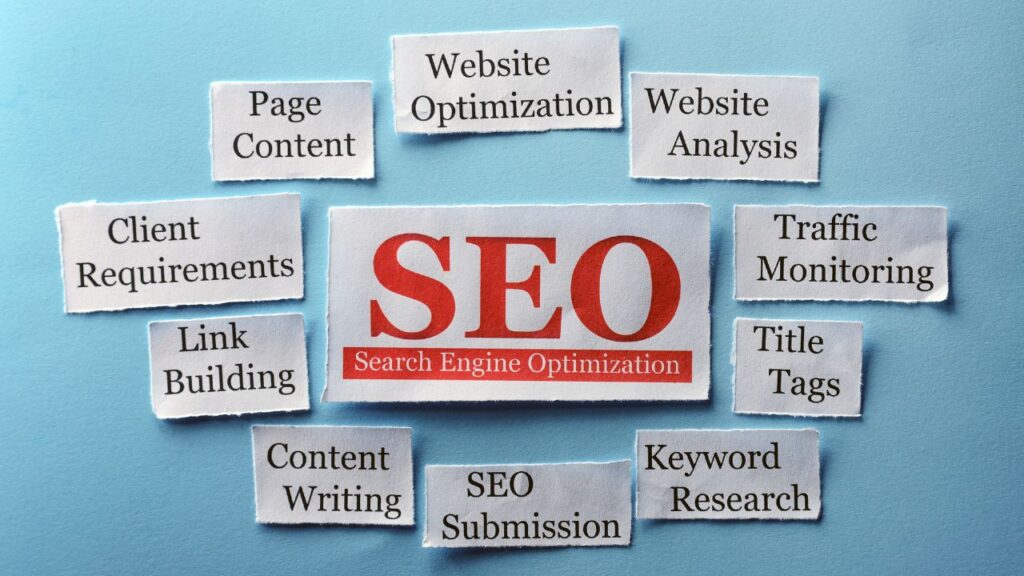
SEO involves a blend of technical, creative, and strategic practices that enhance your site’s visibility. These practices include keyword research, content optimization, link building, improving website speed, and ensuring mobile-friendliness, among others.
The ultimate aim of SEO is to drive organic (non-paid) traffic to your website. Organic traffic is considered highly valuable because it comes from users actively searching for what you offer, increasing the likelihood of conversions.
How Do Search Engines Work?
To understand SEO, it’s essential to grasp how search engines operate. Here’s a simplified explanation:
- Crawling
Search engines use automated bots, called crawlers or spiders, to scan the internet and discover content. These bots navigate through links on websites, gathering information about pages. - Indexing
Once a page is crawled, its content is stored in a massive database called an index. The index serves as a library, where search engines can quickly retrieve relevant pages when a user performs a search. - Ranking
When you enter a search query, the search engine’s algorithm analyzes the indexed content and ranks it based on relevance, quality, and various other factors. Pages that align closely with the user’s intent and meet the algorithm’s criteria are displayed higher on the SERP.
The Key Components of SEO
SEO is multifaceted and can be broken into several key components:
1. On-Page SEO
On-page SEO focuses on optimizing the content and HTML elements of your website. This includes:
- Keyword Optimization: Identifying and incorporating relevant keywords that users are searching for.
- Meta Tags: Writing compelling title tags and meta descriptions to entice users to click on your site.
- Content Quality: Creating valuable, original, and engaging content that addresses user needs.
- URL Structure: Ensuring URLs are clean, descriptive, and keyword-rich.
- Internal Linking: Linking to other pages on your website to improve navigation and relevance.
2. Off-Page SEO
Off-page SEO involves activities outside your website that boost its authority and relevance, such as:
- Backlink Building: Earning links from reputable, high-quality websites.
- Social Signals: Promoting your content through social media platforms to increase visibility and engagement.
- Brand Mentions: Building brand authority by gaining mentions on external websites.
3. Technical SEO
Technical SEO focuses on the backend of your website to ensure it functions well for both users and search engines. Key elements include:
- Site Speed: Reducing load times to enhance user experience.
- Mobile-Friendliness: Ensuring your site performs well on mobile devices.
- Secure Connections: Using HTTPS to protect user data.
- Structured Data: Implementing schema markup to provide additional context to search engines.
4. Local SEO
For businesses with a physical location, local SEO helps attract nearby customers by optimizing for location-based searches. This includes:
- Google My Business: Creating and optimizing your GMB profile.
- Local Keywords: Targeting keywords that include your city or region.
- Reviews: Encouraging satisfied customers to leave positive reviews.

Why is SEO Important?
1. Increased Visibility and Traffic
With billions of searches conducted daily, appearing on the first page of Google can dramatically increase your website’s visibility. Users rarely venture beyond the first few results, making high rankings crucial.
2. Cost-Effective Marketing
Unlike paid advertising, SEO drives organic traffic, which doesn’t require ongoing payment per click or impression. While it takes time and effort to build, the long-term return on investment (ROI) is significant.
3. Enhanced User Experience
Good SEO practices often align with better user experience. Faster load times, mobile-friendly designs, and well-structured content benefit both users and search engines.
4. Credibility and Trust
High rankings signal authority and reliability. When users see your site on the first page, they’re more likely to trust your brand.
How SEO Works
SEO isn’t a one-size-fits-all solution; it’s a dynamic, ongoing process tailored to your goals and audience. Here’s a step-by-step guide to how it works:
- Keyword Research
Identify the search terms your target audience uses. Tools like Google Keyword Planner, SEMrush, or Ahrefs can help uncover high-value keywords with good search volume and low competition. - Content Creation and Optimization
Develop content that addresses user intent and incorporates your target keywords. Ensure it’s informative, engaging, and easy to read. - On-Page Optimization
Optimize elements like title tags, meta descriptions, headers, and images for both users and search engines. - Technical Improvements
Ensure your website loads quickly, is mobile-responsive, and has a secure HTTPS connection. - Building Authority
Earn backlinks from reputable websites and engage with your audience on social media to build credibility. - Monitoring and Adjusting
Use tools like Google Analytics and Google Search Console to track your performance. Regularly update and refine your strategy based on the data.
Common Myths About SEO
1. “SEO is Dead”
SEO is far from dead. While the strategies may evolve, the need to rank well in search engines remains constant.
2. “SEO Guarantees Immediate Results”
SEO is a long-term strategy. Unlike paid ads, it requires consistent effort to see significant results.
3. “Keyword Stuffing Works”
Overloading your content with keywords not only harms readability but can also lead to penalties from search engines.
The Future of SEO
As search engines become more sophisticated, the future of SEO will likely focus on:
- Voice Search Optimization: Adapting to the rise of smart speakers and voice assistants.
- AI and Machine Learning: Using AI tools to personalize search results and analyze data.
- Visual Search: Optimizing for image and video searches as these formats gain popularity.
- User Intent: Understanding and addressing the deeper intent behind search queries.
Conclusion
SEO is a dynamic and essential part of any digital marketing strategy. By understanding what it is and how it works, you can harness its power to drive organic traffic, build brand credibility, and achieve your business goals. While it requires time and effort, the rewards of a well-executed SEO strategy are well worth it.
In today’s digital landscape, where competition is fierce and user expectations are high, mastering SEO isn’t just an option—it’s a necessity. So, invest in SEO, stay informed about the latest trends, and watch your online presence thrive.